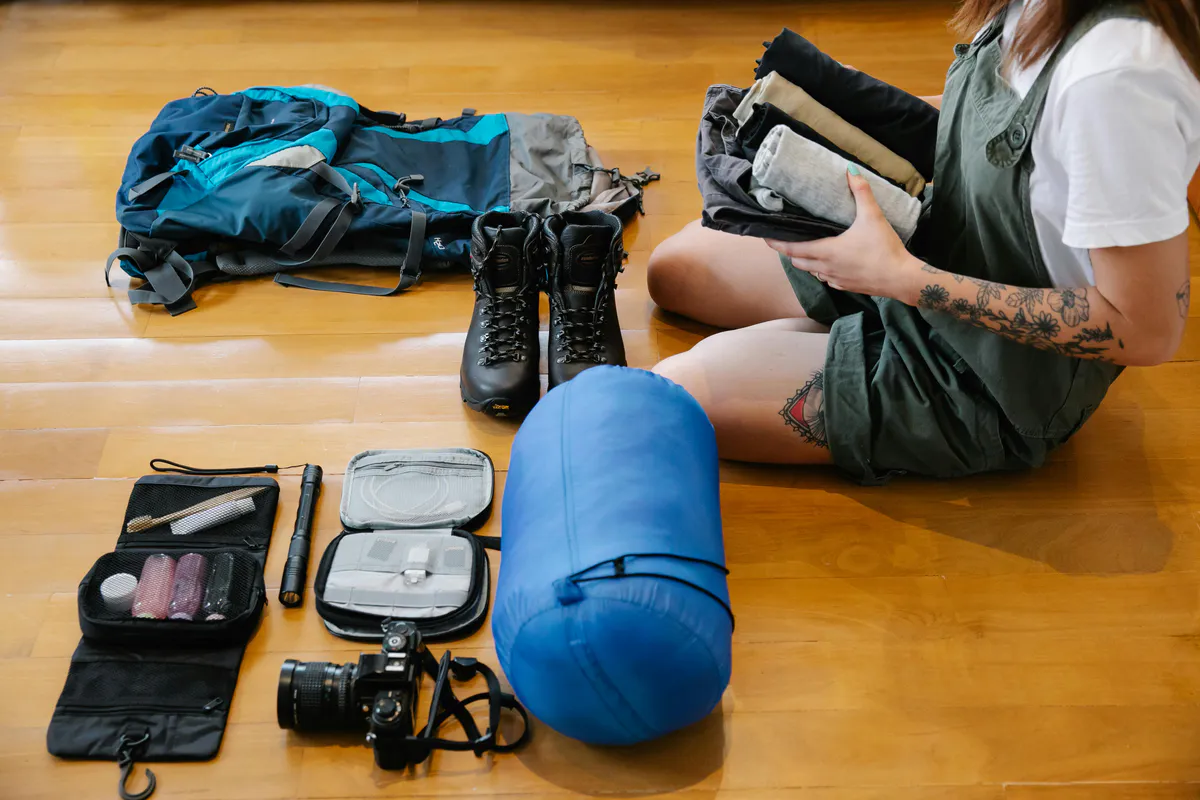
Acadia National Park throws a lot at you in a single day. You might start the morning on an exposed granite ridge in fog, spend the afternoon on a sunny beach, and finish with a sunset hike where the temperature drops 15 degrees in an hour. Packing the right gear makes the difference between a great trip and a miserable one.
This checklist covers everything you need for a visit to Acadia, whether you are day-tripping or spending a week. It is based on years of hiking, camping, and exploring the park in every season.
Hiking Essentials
- Waterproof hiking boots with aggressive tread. Acadia’s granite is dangerously slippery when wet, and the trails are full of roots and uneven rock. This is the single most important item on the list. Trail runners are fine for carriage roads, but for summit hikes, you want ankle support and waterproofing. See our hiking boot recommendations.
- Daypack (20-30 liters). Big enough for layers, water, snacks, and a first aid kit. Look for one with a hip belt to keep the weight off your shoulders on longer hikes.
- Water bottles or hydration bladder (2+ liters). There is no potable water on the trails. Fill up at trailheads or in Bar Harbor before you head out.
- Trail map or downloaded offline map. Cell service is unreliable on many Acadia trails. Download the Avenza map of Acadia or pick up a paper map at the visitor center.
- Headlamp. Even if you plan to be done before dark, carry one. Trails take longer than expected, and descending in the dark on wet granite is dangerous.
- Trekking poles. Optional but helpful on steep descents like Cadillac South Ridge and Pemetic Mountain. They reduce knee strain significantly on the way down.
- First aid kit. Bandages, moleskin for blisters, antiseptic wipes, and any personal medications. Ankle wraps are worth carrying if you are doing the iron rung trails.
Clothing and Layers
Acadia weather changes fast. A sunny morning can turn to fog and drizzle by noon, and summit temperatures are often 10-20 degrees cooler than Bar Harbor.
- Moisture-wicking base layer. No cotton. Synthetic or merino wool base layers dry quickly and prevent chafing.
- Insulating mid-layer. A lightweight fleece or synthetic puffy jacket. You will want this on summits, early morning hikes, and any day with fog.
- Rain jacket. Non-negotiable. Rain comes quickly and without much warning on the coast. A packable waterproof shell with a hood is essential.
- Rain pants. Optional for summer, but helpful in spring and fall when rain plus wind can make you cold fast.
- Hiking pants or shorts. Quick-drying synthetic material. Convertible pants that zip off into shorts are practical for Acadia’s variable conditions.
- Wool or synthetic hiking socks. Bring at least two pairs so you always have a dry pair. Wet socks cause blisters faster than anything else.
- Sun hat and warm hat. You will likely use both during a multi-day trip. Summits can be windy and cold even when the trailhead is warm.
- Lightweight gloves. For spring, fall, or early morning Cadillac sunrise trips. Wind on exposed ridges cuts through quickly.
Bug and Tick Protection
Maine’s bugs are no joke, especially from May through August. Ticks are active from April through November.
- DEET or picaridin insect repellent. Blackflies and mosquitoes are aggressive in wooded areas and near water. Picaridin is less greasy and works just as well.
- Permethrin-treated clothing or spray. Treating your hiking clothes with permethrin is the most effective tick prevention available. Spray it on pants, socks, and shirts before your trip.
- Tick removal tool. A TickKey or fine-tipped tweezers should be in your first aid kit. Check yourself thoroughly after every hike, paying attention to hairline, waistband, and behind the knees.
- Head net. For peak blackfly season (late May through mid-June), a head net can be the difference between enjoying a hike and wanting to leave the park entirely.
Check out our full guide to tick and bug protection for Maine for specific product recommendations.
Beach and Water Gear
Acadia has both ocean beaches and freshwater lakes, and you should experience both.
- Swimsuit and quick-dry towel. Sand Beach (ocean, cold) and Echo Lake (freshwater, warmer) are the two main swim spots.
- Water shoes or sport sandals. Sand Beach has a rocky entry, and the carriage road to some swimming spots can be rough on bare feet.
- Rash guard or wetsuit top. The ocean water at Sand Beach rarely gets above 55 degrees F, even in August. A wetsuit top makes swimming much more comfortable.
- Dry bag. Keeps your phone, wallet, and car keys safe while you swim.
Sun Protection
The combination of granite reflection, ocean glare, and high-elevation exposure means you burn faster than you expect in Acadia.
- Sunscreen (SPF 30+, water-resistant). Reapply every two hours, more often if you are sweating.
- Sunglasses with UV protection. Polarized lenses reduce glare off the water and granite.
- Lip balm with SPF. Your lips burn too. Easy to forget, painful to regret.
Food and Snacks
- High-calorie trail snacks. Nuts, energy bars, dried fruit, jerky. You burn more calories hiking Acadia’s granite than you think.
- Packed lunch for full-day outings. There are no food vendors on the trails. The Jordan Pond House is the only in-park restaurant, and the wait can be over an hour in summer.
- Electrolyte packets. Helpful on hot, humid days when you are sweating a lot. Add them to your water.
Driving and Logistics
- Park entrance pass. $35 per vehicle for 7 days, or use your America the Beautiful Annual Pass. Purchase in advance at recreation.gov.
- Cadillac Summit Road reservation. Required from late May through October. Book well in advance for sunrise slots, as they sell out weeks ahead.
- Cash for parking. Some overflow lots and town parking in Bar Harbor accept cash only.
- Reusable water bottle for refills. Many restaurants and shops in Bar Harbor will refill your bottle.
Items Most People Forget
- Binoculars. Peregrine falcons nest on Precipice and Jordan Cliffs. Bald eagles fish in the sounds. Harbor seals haul out on the rocks. You will wish you had optics.
- Layers for Cadillac sunrise. The summit is 1,530 feet and fully exposed. Even in July, it can be in the 40s at dawn with wind. Bring a fleece and windbreaker.
- Quarters for showers. If you are camping at Blackwoods or Seawall, the shower facilities (located off-site in Bar Harbor) often require quarters.
- Bug spray for the campsite. Most people pack it for the trail and then suffer at camp in the evening when mosquitoes peak.
- A second pair of shoes. After a day of hiking in wet boots, having dry shoes for the evening makes everything better.
Season-Specific Additions
Spring (April-May): Extra warm layers, waterproof everything, bug head net for blackflies. Trails may still have ice at higher elevations.
Summer (June-August): Sun protection is the priority. Pack light, breathable layers and plenty of water. Beach gear gets daily use.
Fall (September-October): The best hiking season. Pack warm layers for mornings and evenings, as temperatures can swing 30 degrees in a day. A fleece and wind shell are essential.
Winter (November-March): Microspikes or crampons, insulated waterproof boots, heavy layers, and hand warmers. Many roads and facilities close, but the trails are open and stunning with snow.