
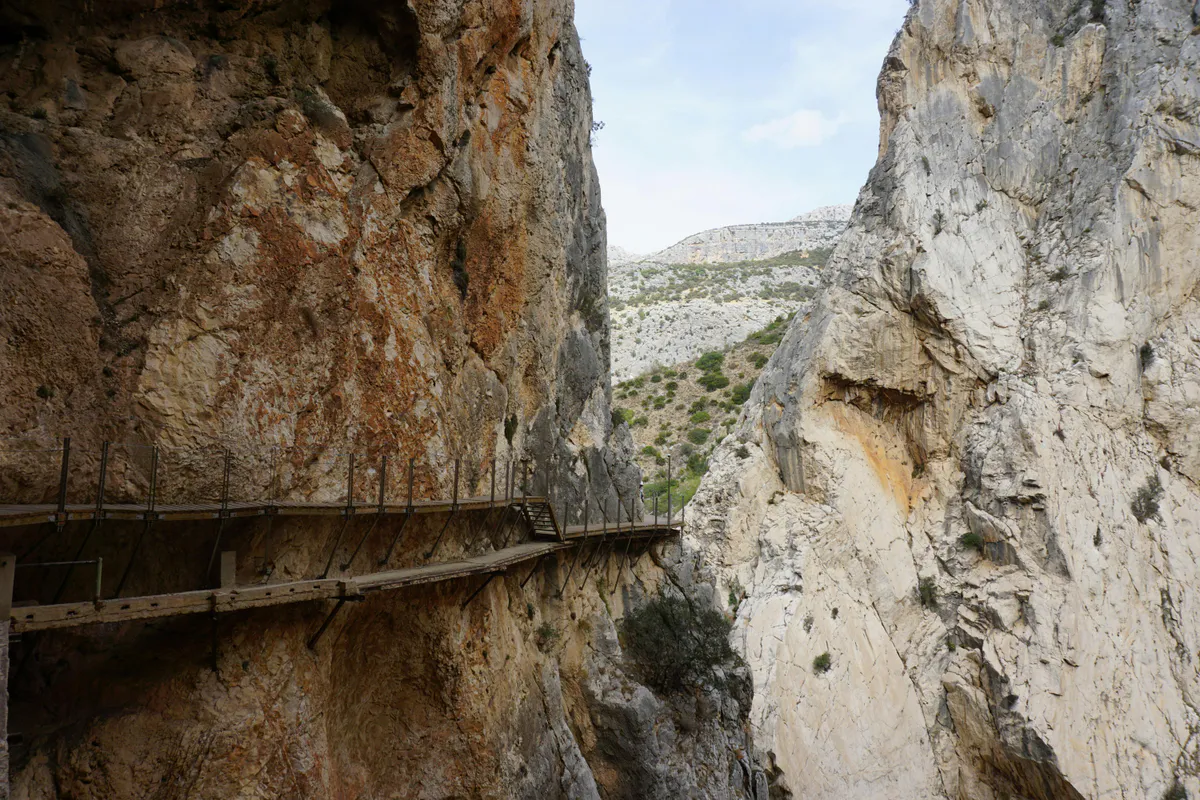
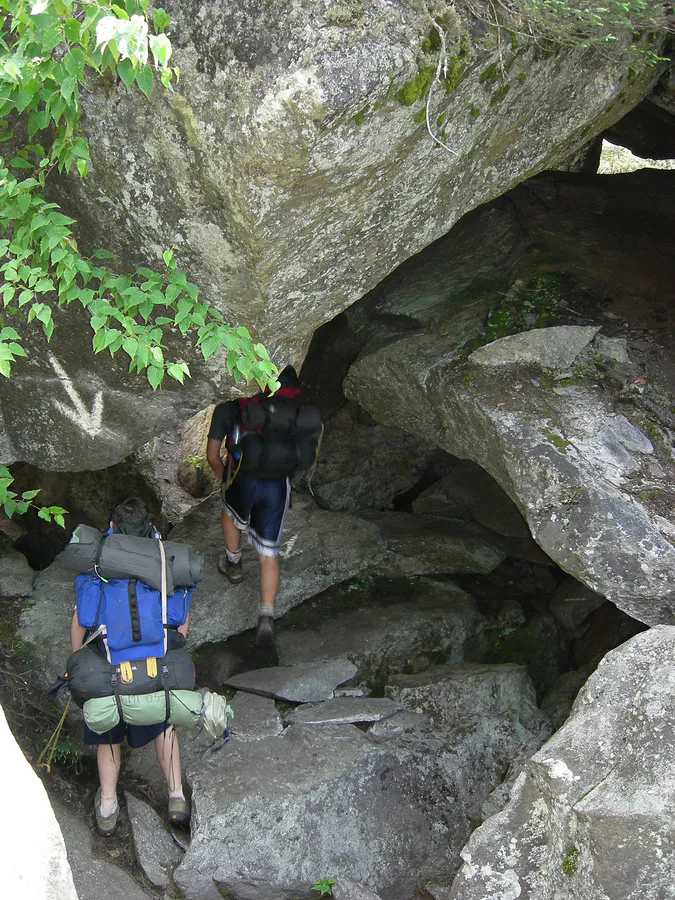
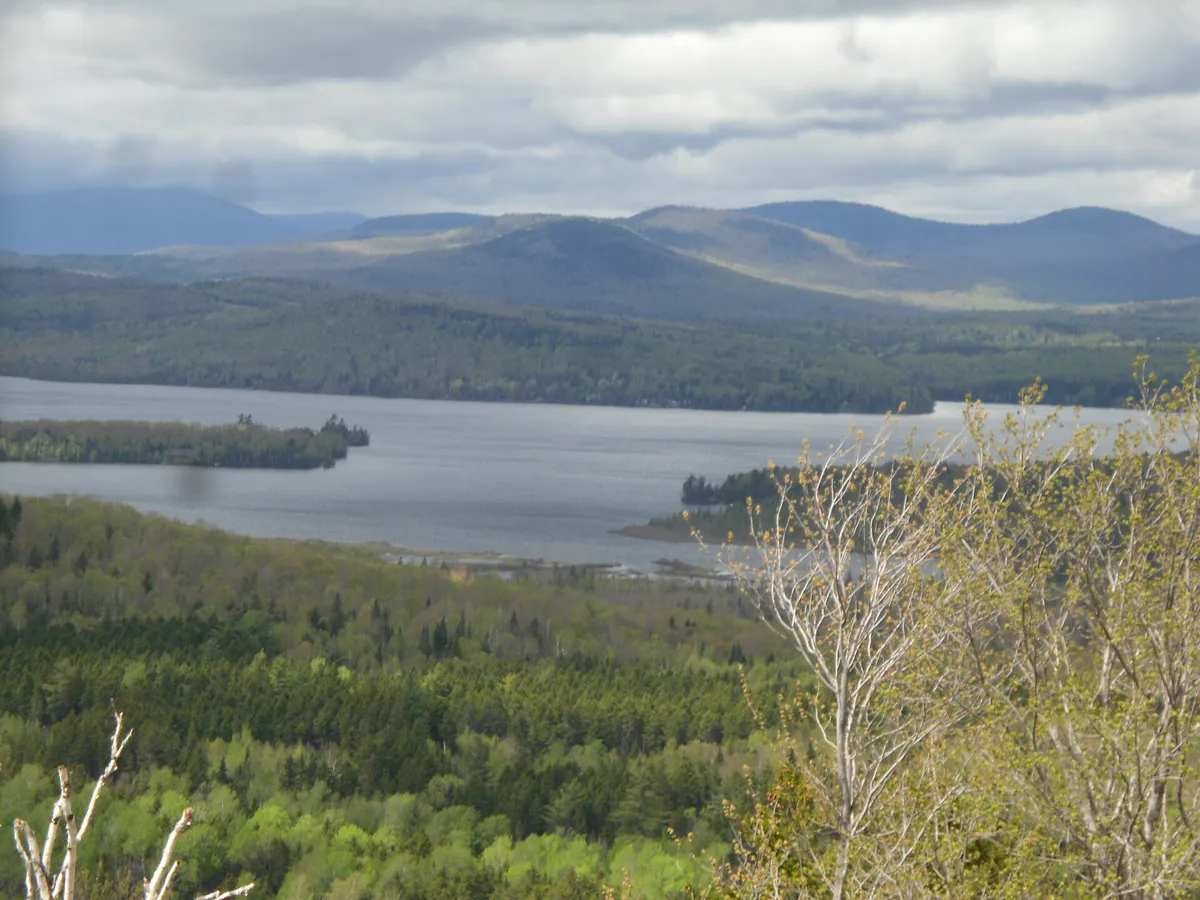

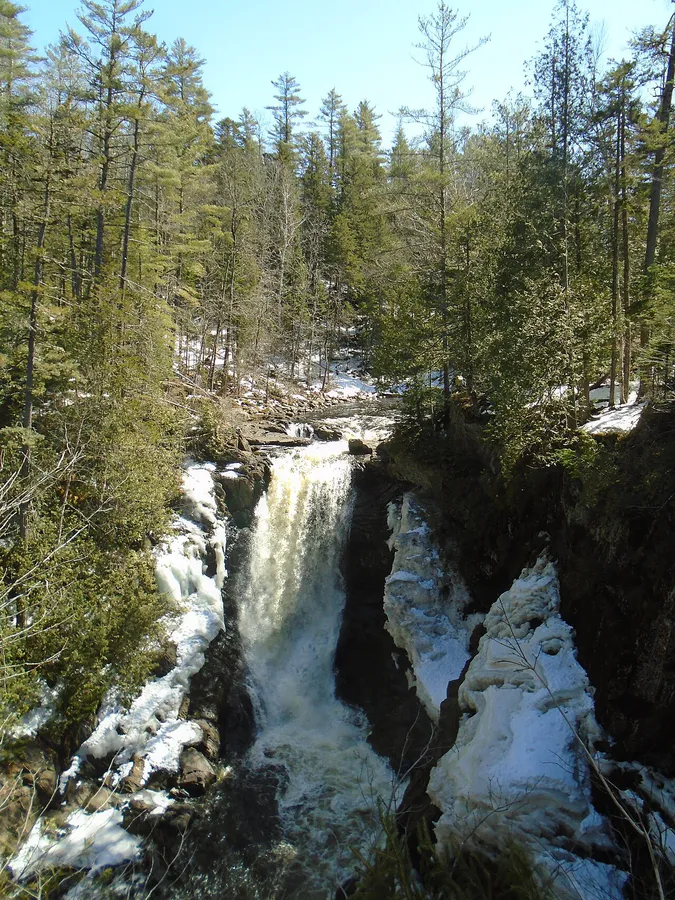
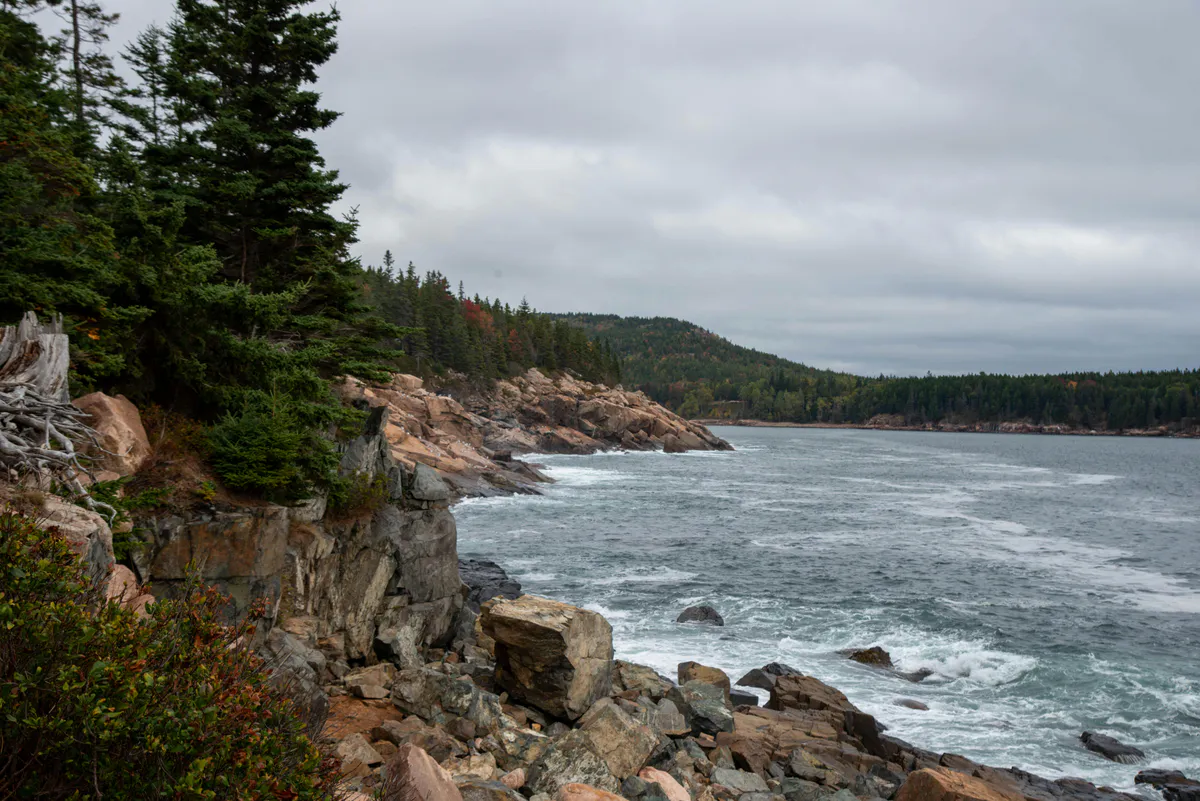





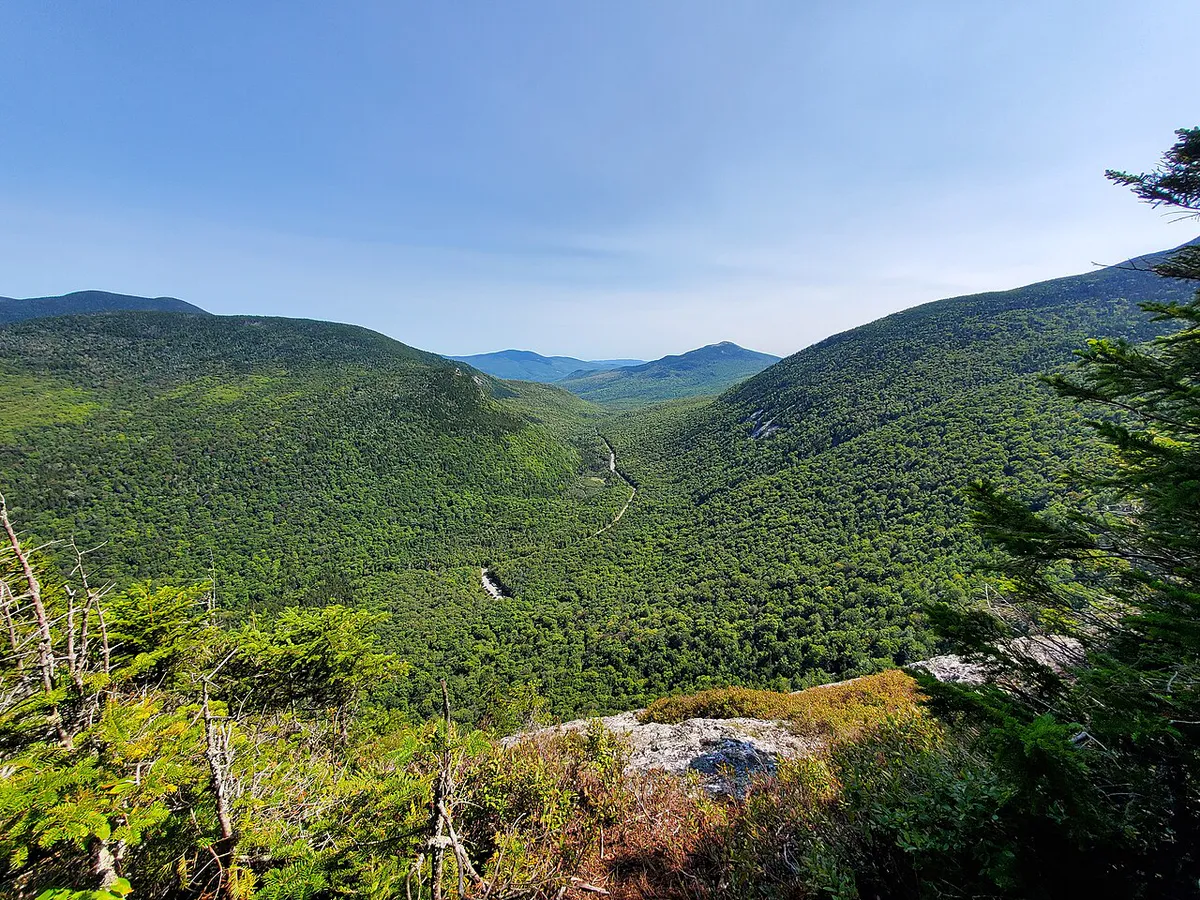



Picture late April on the 100-Mile Wilderness. The bog bridges are still half-submerged, the trail between them is the color and consistency of pancake batter, and every step is a decision about how deep you want to go. Or imagine a tick-heavy stretch of the Bald Pate Mountain approach in mid-June, where the trail is choked with low blueberry brush brushing the tops of your socks. Or the loop trail on Tumbledown on a warm spring day, where the south side is bare granite and the north side still has knee-deep wet snow lingering from the last storm.
A hiking gaiter is the unfashionable piece of gear that solves all three of those problems. It keeps mud, scree, snow, and small biters out of the gap between your boot top and your pant leg. Most Maine hikers ignore gaiters entirely, then ignore them harder after a bad first experience with a hot, sweaty pair on the wrong trip. The five below cover the actual Maine conditions where gaiters matter, and the gaiter you’d reach for changes depending on whether it’s mud season, tick season, or shoulder-season snow.
| Gaiter | Price | Height | Best For | Rating |
|---|---|---|---|---|
| Outdoor Research Crocodile | $95 | Full (knee) | Snow & bushwhacking | 4.7 |
| Kahtoola INSTAgaiter Mid | $60 | Mid (calf) | Three-season hiking | 4.6 |
| Dirty Girl Gaiters | $22 | Ankle | Trail runners & thru-hikers | 4.5 |
| Pike Trail Waterproof | $30 | Full (knee) | Budget waterproof | 4.3 |
| REI Co-op Backpacker | $55 | Tall (mid-calf) | Balance of price/durability | 4.4 |
How We Chose
We didn’t run a side-by-side lab test. What we did was match the construction specs and the long-running reputation of each gaiter to the actual conditions Maine hikers run into across the year: knee-deep mud on shoulder-season approach trails, ticks waiting at sock height in any unmowed brush from May through October, slate scree at Gulf Hagas that loves to wedge itself between sock and boot, and wet spring snow that sticks to everything north of Rangeley well into June.
For each pick we looked at height (ankle, mid-calf, or full knee), waterproofing (genuinely sealed, water-resistant, or breathable mesh), weight, abrasion resistance on bushwhacks, the closure system (zipper, hook-and-loop, magnetic), and the realistic failure modes reviewers consistently mention. Some of these gaiters have been in the catalog for two decades. They earned that staying power.
The shortlist below isn’t a top-ten. A gaiter is a single-use tool, and most hikers only need one or two pairs total. The Crocodile and the Dirty Girls are the workhorses; everything in between exists for a reason.
The Gaiters We’d Pack
Outdoor Research Crocodile Gaiters, Best Full-Height
If you’ve been on a shoulder-season trip into Baxter or the Mahoosuc wilderness, you’ve seen these. The Crocodile is the default full-height gaiter for serious New England winter and shoulder-season hiking, and has been for over twenty years. The upper is GORE-TEX, the lower panel is 1000-denier Cordura, the front closure is hook-and-loop over a storm flap, and a boot-lace hook anchors the bottom so the gaiter doesn’t ride up. Full knee height means you can post-hole through wet snow up to your knees and stay dry.
The honest weakness is heat. These are overbuilt for summer trail hiking, and the GORE-TEX upper does not breathe enough to wear comfortably above 60F unless you’re standing in snow. They’re also sized for hiking boots, not trail runners, so the fit at the ankle is loose on lower-volume footwear.
For a winter hike up Cadillac, a snowshoe trip on the Bigelow Preserve approach, or a May bushwhack where you know you’ll be in knee-deep wet snow at elevation, this is the gaiter you’d reach for. It’s not a summer pick. It is the answer for the conditions where summer gaiters quit.
Best full-height gaiters for snow and bushwhacking
Kahtoola INSTAgaiter Mid, Best Three-Season
The INSTAgaiter Mid is the gaiter most Maine hikers actually need most of the time. Mid-calf height is enough to cover the sock-to-pant-cuff gap where ticks climb up and small debris falls in, the stretch fabric breathes well in warm weather, and the magnetic side closure means you can pull them on and off without sitting down to fight with a zipper. They fit over trail runners as easily as low hiking boots.
They’re not waterproof. Sustained rain or wet snow will eventually run down a pant leg into the gaiter, and the magnetic closure can pop open in heavy brush if a branch catches it just right. For genuinely wet trails or snow, you want the Crocodile or the Pike Trail. For everything else, three seasons of Maine hiking, this is the right answer.
For a day hike up Borestone in tick season, a Precipice scramble where you want scree out of your boots, or any blueberry-barrens approach where biters live in the low brush, the Kahtoola is the gaiter you pack first.
Best mid-height gaiter for three-season hiking
Dirty Girl Gaiters, Best Ultralight
If you’ve ever followed an Appalachian Trail thru-hiker through Maine, you’ve seen Dirty Girl Gaiters in a wild pattern poking out of the tops of their trail runners. Two ounces, $22, ankle-height stretch nylon with a Velcro patch that glues to the heel of any trail runner so the gaiter stays put. They keep grit and small debris out of your shoes and nothing more. That is the entire promise, and they deliver it.
The trade-off is that they don’t do anything above the cuff. No tick protection on the calf, no mud protection, no waterproofing at all. The heel-tab glue step before first use is a minor hassle, and the patterns are loud enough that you should consider yourself warned.
For a fast day up Cadillac, a long trail-runner mileage day on the 100-Mile Wilderness in summer, or any trip where you’re moving fast in low footwear and just want grit out of your socks, the Dirty Girls are the right gaiter. We’d own a pair even if we owned nothing else.
Best ultralight gaiter for trail runners and thru-hikers
Pike Trail Waterproof Gaiters, Best Budget
The Pike Trail is the gaiter for someone who wants full-height waterproof coverage but doesn’t want to spend $95 to find out whether they like wearing gaiters at all. Full knee height, genuinely waterproof shell, adjustable bottom strap, front hook, reinforced instep. For $30, the value is real.
The trade-offs are predictable for the price. The fabric does not breathe well, so warm climbs get clammy quickly. The materials wear faster than the Crocodile in real bushwhacking, and the sizing runs a touch large (expect to size down). The closure system is fine but not refined.
This is the gaiter you buy first to find out whether you actually want gaiters. If the answer is yes and you’re abusing them in real shoulder-season conditions, you upgrade to the Crocodile. If the Pike Trail lasts you three years of casual use, you saved $65.
Best budget waterproof gaiter
REI Co-op Backpacker Gaiters, Best Middle-Ground
The REI Co-op Backpacker sits exactly where the name suggests: tall coverage, mid-range price, tougher fabric than the Pike Trail, lighter than the Crocodile. The front zip with storm flap is the same setup most premium gaiters use, the bottom strap is reinforced, and the fit is generous enough to accommodate larger boots.
The honest weaknesses: the zipper plus storm flap is fiddly with gloves on, and the fabric is not as bulletproof in deep brush as the 1000D Cordura on the Crocodile. The other consideration is sales channel. REI’s return policy means you can buy these, hike a season in them, and bring them back if they don’t work for you. Amazon will not do that.
For a hiker who knows they want a real gaiter but is hesitant to spend Crocodile money, or who values being able to return a piece of gear if the fit is wrong, this is the right choice. It is also the right gaiter if your boots are awkwardly sized and you want to try fit in a store before committing.
Best balance of price and durability
The single most underused tick-prevention tactic in Maine is treating gaiters with Sawyer Permethrin spray. Permethrin bonds to fabric for around six weeks of washing-resistant tick repellency. A pair of treated gaiters becomes a barrier across the exact zone where ticks climb (sock top, pant cuff, lower calf), and the chemical kills ticks on contact rather than just repelling them. See our tick and bug protection guide for the full treatment routine.
How to Choose for Maine Conditions
Mud Season (April to May)
April and early May in Maine is the season gaiters were designed for. Trails north of Portland are saturated, low spots hold water for weeks, and the ankle-deep mud below thaw line will eat any pant cuff you let touch it. Height matters here: ankle gaiters keep grit out of your shoes but do nothing for the splash that hits your calf with every step. A mid-height or full-height waterproof gaiter is the right call, and the side-closure system on the INSTAgaiter or the front hook-and-loop on the Crocodile both seal well enough that mud stays out.
If you’re sticking to flat coastal trails or graded carriage roads, the Dirty Girls plus a tall sock are enough. If you’re climbing into the western mountains or anything in the Tumbledown Conservation area in shoulder season, the Crocodile is the call.
Tick Protection
Maine’s tick season runs late May through October, and ticks climb. They are not falling from trees. They are sitting on grass blades and low brush at sock and calf height waiting to grab your leg as you brush past. Anything that mechanically blocks that zone (a mid-height gaiter) reduces the contact opportunity dramatically. Anything that chemically deters them (permethrin-treated fabric) makes the same gaiter actively hostile.
Treating your gaiters with permethrin is the highest-leverage tick move available short of full clothing treatment. The chemical bonds to fabric, survives multiple washes, and kills any tick that climbs across the treated zone. Pair a permethrin-treated INSTAgaiter with a permethrin-treated sock and you have an effective barrier across the ankle and lower leg, which is where 90% of tick encounters start. The full protocol lives in our tick and bug protection guide.
Winter Snow
Once snow starts sticking on the trails (typically late November through April, longer at elevation), gaiters move from optional to essential. The Crocodile or any full-height waterproof gaiter pairs with winter traction to keep snow out of the boot top during post-holing and snowshoeing. Mid-height gaiters do not work for this. Once the snow is above the gaiter top, it goes straight into the boot. Full knee height is the floor for any trip where post-holing is realistic.
For winter day hikes on Cadillac or Dorr where the snow stays at or below boot height, a tall three-season gaiter will work. For anything in Baxter or the western mountains where May trips can find knee-deep wet snow on north-facing slopes, the Crocodile is the only honest answer.
Blackfly Season (Late May to June)
Maine’s blackfly window is shorter than tick season but more intense. The flies are most aggressive in the few weeks after the first warm spell, and they target exposed skin at the ankle, sock-line, and wrist. A light ankle or mid-height gaiter covers the most-bitten zone without adding heat. The Dirty Girls and the INSTAgaiter both work well for this. The Crocodile is overkill and too hot.
The pairing we run all spring is the Kahtoola INSTAgaiter Mid plus a permethrin-treated tall sock plus pants tucked into the sock. Looks ridiculous. Works. Ticks have a hard time finding skin, the gaiter pulls on and off without sitting down, and the whole system breathes well enough to wear all day. For a shoulder-season trip with real snow at elevation, we swap the INSTAgaiter for the Crocodile and accept the heat penalty.
Where You’ll Actually Use Them
Mud crossings on the Allagash portage trails will soak any pant cuff that touches them. A full-height gaiter is the difference between dry socks for two more days and squelching the rest of the trip.
The slate scree at Gulf Hagas wedges itself into the tops of low boots and trail runners almost as a matter of course. Ankle gaiters or mid-height gaiters keep the slate out and the descent comfortable.
Tumbledown’s loop trail holds wet snow on the north side well into May. A waterproof full-height gaiter is the difference between finishing the loop and turning around at the col.
Mahoosuc Notch is rough on shins, ankles, and pant fabric. A tough mid or tall gaiter takes the abrasion that would otherwise destroy lighter clothing.
The iron-rung sections of the Precipice and Beehive in Acadia are not gaiter terrain per se, but the brush on the approach trails is full of ticks in season. A treated INSTAgaiter handles the approach; you can roll it off at the base of the ironwork if you prefer.
What Else Belongs With Gaiters
A gaiter is half of a system. The other half is the footwear and treatment you pair it with. Our best hiking boots for Maine guide covers the boots that pair best with full-height gaiters (waterproof leather mids with real lace hooks), and our tick and bug protection guide covers the permethrin protocol that turns a gaiter into an actual tick barrier rather than just a fabric tube.
For wet trails, gaiters and rain pants do different jobs. Gaiters seal the ankle and calf against splash, mud, and small debris. Rain pants seal the leg against sustained rainfall. On a real Maine rainstorm, you want both. The best rain gear for Maine guide has the shells and pants we’d pack alongside any gaiter setup.
Do I really need gaiters for Maine hiking?
It depends on the season and the trail. For midsummer hikes on dry, well-graded trails in southern Maine, no. For shoulder-season trips north of Portland, mud-season approaches, winter snow, or any tick-heavy brush from May through October, yes. The lightest pair (Dirty Girls at two ounces) is barely worth not packing, and the protection is real. Most Maine hikers benefit from owning at least an ankle and a mid-height pair.
Ankle gaiters or full-height gaiters, which is better?
Different jobs. Ankle gaiters keep grit and small debris out of trail runners and low hikers. Full-height gaiters seal the entire lower leg against mud, snow, brush, and ticks. If you can only own one pair, the answer is mid-height. The Kahtoola INSTAgaiter covers the most common needs (tick zone, splash, light snow) without the heat penalty of full-height. Add a full-height pair if you do real shoulder-season trips into the mountains.
Can gaiters prevent tick bites?
Mechanically, gaiters reduce contact opportunity by covering the sock-to-pant-cuff zone where ticks climb. That alone helps but is not sufficient. Treated with permethrin, gaiters become actively hostile to ticks: the chemical bonds to the fabric, survives multiple washes, and kills any tick that crosses the treated zone within minutes. Permethrin-treated gaiters combined with treated socks are one of the highest-leverage tick-prevention moves available. See our tick protection guide for the full protocol.
Do gaiters work over trail runners?
Some do, some don't. Dirty Girl Gaiters were designed for trail runners and use a Velcro heel-tab system that glues to the shoe. The Kahtoola INSTAgaiter Mid fits over most trail runners and low hikers. Full-height gaiters like the Crocodile are sized for hiking boots and fit poorly on low-volume footwear. If you primarily wear trail runners, plan around the Dirty Girls plus a permethrin-treated sock for most conditions, and the INSTAgaiter for tick or mud conditions.
Gaiters or rain pants for wet Maine trails?
Both, ideally. They solve different problems. Gaiters seal the ankle and lower calf against splash, mud, and debris that comes from below. Rain pants seal the leg against rainfall coming from above. On a typical Maine shoulder-season day with wet trails but no rain, gaiters alone are usually enough. In a real downpour with wet trails underneath, rain pants over gaiters is the combination that keeps you dry. The rain pants overlap the gaiter top and water drips off rather than down inside.
Can I machine-wash hiking gaiters?
Mostly yes. Most synthetic gaiters tolerate a gentle cycle in cold water. The main exceptions are gaiters with bonded membranes (the Crocodile's GORE-TEX), which benefit from a tech wash designed for waterproof breathables rather than regular detergent (which can clog the membrane pores). Air dry rather than tumble dry, and re-treat with permethrin after washing if you've been using them for tick protection. Permethrin survives several washes but not indefinitely, so plan to retreat every six weeks of active use.