
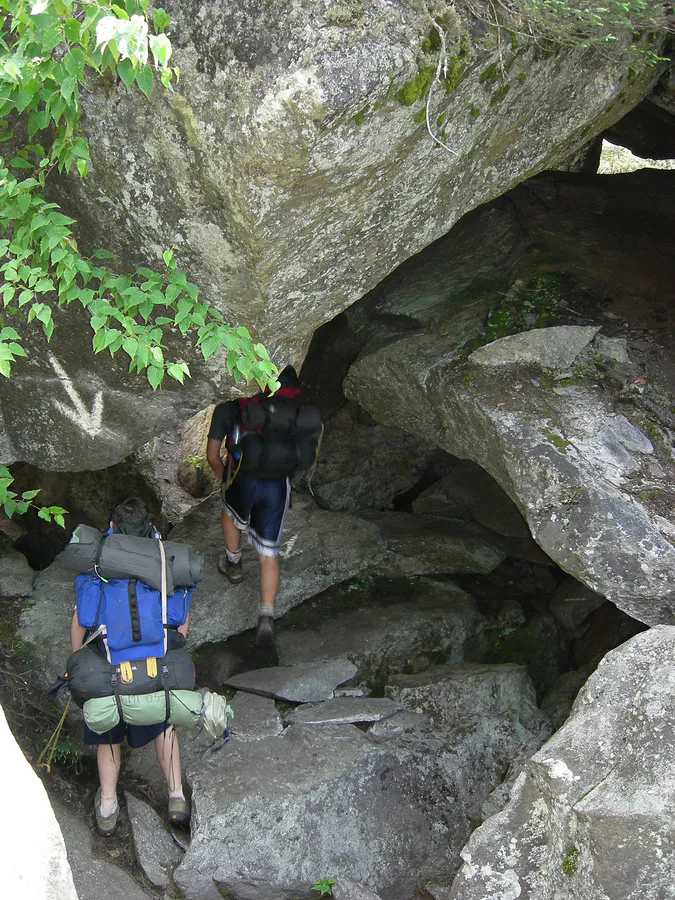





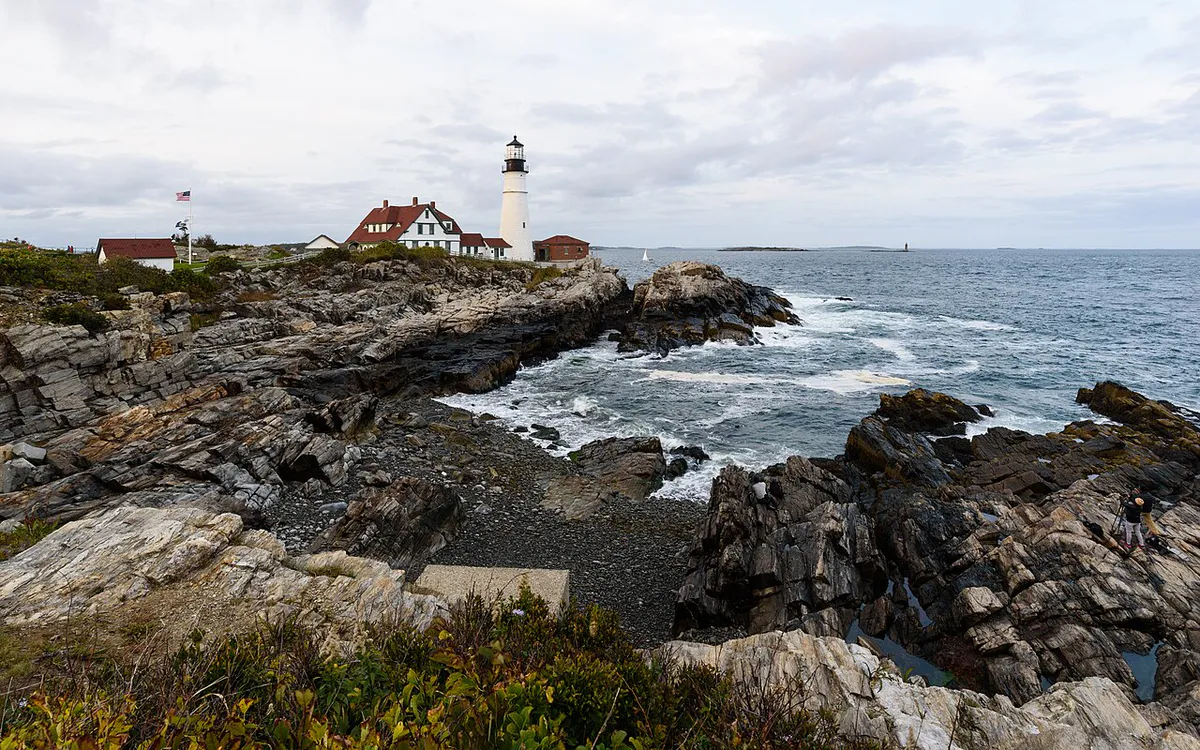






The middle of the Allagash is a real test of how seriously you take battery management. Cell service does not exist out there, your GPS is doing the work your phone used to do, and the satellite messenger you’re relying on for safety check-ins runs on the same battery economy as everything else. The morning you wake up to find your phone at 18 percent in a tent at the bottom of Mahoosuc Notch is the morning you wish you had thought harder about the power bank you didn’t pack. Or it’s a late-day descent off Katahdin’s Hunt Trail where the headlamp battery warning starts blinking with 40 minutes of trail left and you’re scrolling through your pack trying to remember which pocket has the charger.
A power bank is one of those pieces of gear that lives in the same category as a headlamp or a knife. You don’t think about it until you need it, and then it’s the most important thing in the pack. Maine adds two complications most reviews ignore: cold-weather capacity loss that punishes cheap batteries, and the real-world distance between marketing mAh and actual deliverable charge. The five picks below are the ones we’d reach for, sorted by use case rather than ranked.
| Power Bank | Price | Capacity | Weight | Best For | Rating |
|---|---|---|---|---|---|
| Nitecore NB10000 | $60 | 10000 mAh | 5.3 oz | Ultralight backpacking | 4.7 |
| Anker PowerCore 10000 | $30 | 10000 mAh | 6.4 oz | All-around | 4.6 |
| INIU 10000mAh | $22 | 10000 mAh | 7.4 oz | Budget | 4.5 |
| Goal Zero Flip 36 | $50 | 3350 mAh | 2.9 oz | Pocketable emergency | 4.4 |
| BioLite Charge 40 PD | $60 | 10000 mAh | 7.8 oz | Multi-day USB-C PD | 4.5 |
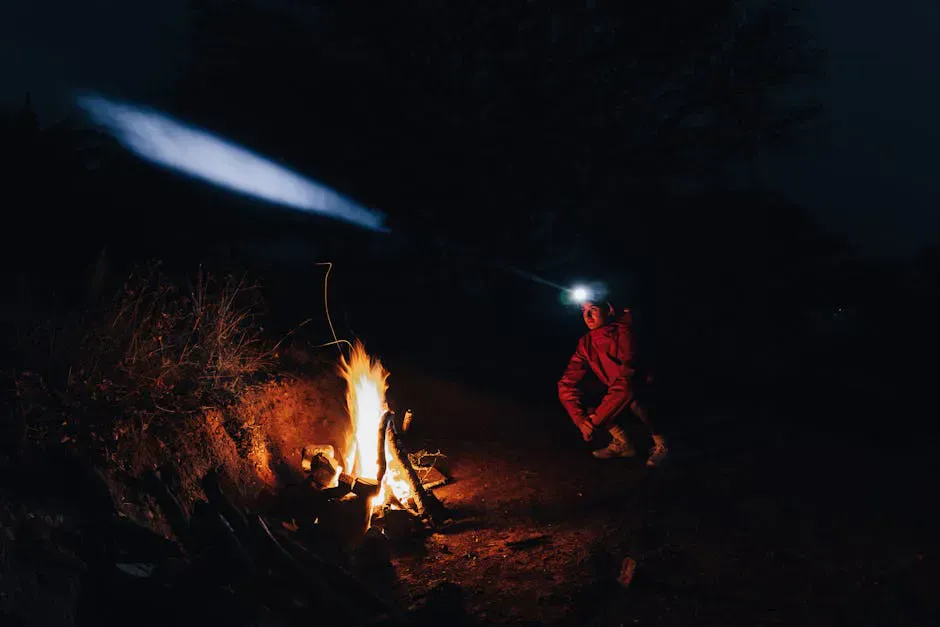
How We Chose
We looked at five things, in this order: real-world deliverable capacity versus marketing mAh, weight-to-capacity ratio, USB-C PD support for modern devices, cold-weather behavior, and durability. The first one is where most cheap power banks fall apart. A 10000 mAh battery does not give you 10000 mAh of deliverable charge to your phone. There are conversion losses (battery voltage to USB voltage), cable losses, and thermal losses, and the realistic figure is closer to 60 to 70 percent of the rated capacity. Better banks land near 70 percent. Cheap ones can drop into the 50s.
Weight-to-capacity is the second filter. For backpacking, every ounce matters, and the gap between the Nitecore NB10000 at 5.3 oz and a generic 10K bank at 8 oz is real over a multi-day trip. USB-C PD support is the third one. Modern phones (iPhone 15 and up, recent Pixels and Samsungs), the Garmin inReach Mini 2, and hybrid headlamp batteries like the Petzl Actik Core all charge dramatically faster on USB-C PD than on legacy USB-A. A bank without PD adds time you don’t have at a trailhead in fading light.
Cold-weather behavior is the fourth, and it’s the one Maine punishes hardest. The fifth is durability — outdoor banks live in the bottom of packs and get dropped onto granite. Plastic that cracks in the cold is a real problem.
The Power Banks We’d Pack
Nitecore NB10000 — Best Ultralight
The NB10000 is the power bank you carry when you’d rather not carry one. At 5.3 oz for a real 10000 mAh, it’s the best weight-to-capacity ratio on this list by a meaningful margin. The carbon-fiber housing is genuinely tough for the weight, the USB-C PD output (18W) charges modern devices fast, and the layout is stripped-down enough that there are fewer things to break. One USB-C port, one USB-A, two indicator LEDs. That’s it.
The honest real-world capacity is the part that earns the price. Nitecore advertises 10000 mAh and the bank actually delivers something close to that, where cheaper banks at the same rating leave 20 to 30 percent on the table. For a 100-Mile Wilderness section hike where you need to know exactly how many phone charges you have, that honesty matters.
The downside is the price. At $60, the NB10000 costs nearly twice what an Anker PowerCore 10000 does. For weekend trips where weight is less critical, the Anker is the better value. For multi-day backpacking where every ounce counts, the Nitecore is worth the premium.
Best ultralight power bank for backpacking
Anker PowerCore 10000 — Best All-Around
The Anker PowerCore 10000 has been the default 10K power bank for over a decade for a reason. It’s $30, it’s 6.4 oz, the housing has been refined across multiple generations, and the failure rate over years of daily use is among the lowest in the category. For most people on most trips, this is the right answer.
The trade-off, depending on which version you buy, is USB-A only versus USB-C input. The original PowerCore 10000 charges itself over micro-USB, which is slow by 2026 standards. Newer Anker models in the same line have USB-C input and PD output. Check the listing carefully before buying. The version with USB-C PD costs slightly more but is a meaningful upgrade if you carry any modern devices.
For car camping at Lily Bay or Mount Blue where weight is irrelevant and you want a bank that just works, the Anker is the no-brainer. For ultralight backpacking, the Nitecore is worth the upgrade.
Best all-around 10K power bank
INIU 10000mAh — Best Budget
At $22, the INIU is the cheapest 10K bank we’d recommend. It has USB-C input and output, dual USB-A ports for charging two devices at once, and a built-in LED display that shows actual charge percentage instead of vague indicator lights. For a casual weekend kayak day at Sebago or a road trip where the bank lives in the glove box, it does the job.
The honest issues are real but not deal-breakers for casual use. Marketing capacity is more optimistic than the Nitecore or Anker, so expect maybe 55 to 60 percent of rated mAh delivered to your devices. The track record over multiple years is shorter — INIU is a newer brand than Anker, and we don’t yet know how their batteries age over five years of cycles. Cold-weather performance is noticeably worse than the premium options, which matters for shoulder-season Maine trips.
For the price, this is the right answer for a glove-box bank, a kid’s tablet on a long drive, or anyone who’s not sure they need a power bank but wants one for peace of mind. For backcountry trips where reliability matters, spend the extra $8 on the Anker.
Best budget power bank
Goal Zero Flip 36 — Best Pocketable
The Flip 36 is a different category from the 10K banks above. At 3350 mAh and 2.9 oz, it’s roughly one full phone charge in a unit the size of a chapstick stack. The signature feature is the built-in USB-A plug that folds out of the housing. You plug the bank directly into a wall outlet to charge it, with no cable required. For a glove box, a hip-belt pocket on a day hike, or the bottom of a daypack as an emergency reserve, it earns its place.
This is the power bank we’d pack on a day hike up Cadillac or Tumbledown where the goal is to never need it. It’s small enough to forget about, big enough to get a dead phone back to a usable state, and durable enough to survive years of being banged around in a pack.
The clear trade-off is capacity. The Flip 36 will not get you through a 3-day Allagash trip on its own. It’s a one-charge bank. For longer trips you want a 10K bank, and for true backcountry trips you probably want both (the 10K as primary and the Flip 36 as redundancy).
Best pocketable charger for emergencies
BioLite Charge 40 PD — Best Multi-Day USB-C PD
The Charge 40 PD is the bank we’d reach for on a 5-day Hundred-Mile Wilderness section hike or a 4-day Allagash paddle. The 10000 mAh capacity is the same as the Anker and Nitecore, but the USB-C PD output is 18W, which is genuinely fast charging for modern phones. From 0 to 50 percent in about 30 minutes at the trailhead before a long drive home, while you’re packing the car. That speed matters more than the spec suggests.
Pass-through charging is the other quiet feature. The Charge 40 PD can charge itself while charging a device at the same time, which is useful in cabins or trailhead shelters where you have wall power and multiple things to top up. Not every power bank does this safely.
The trade-off is that BioLite’s bigger Charge 80 PD is a better value if you can carry the extra weight. The 80 PD is 20000 mAh for roughly the same money, which is a real four-phone-charge bank. For trips longer than three nights, the 80 is the better answer. The Charge 40 PD is the right pick when you want PD speed and pass-through in the lightest workable package.
Best larger-capacity power bank for multi-day trips
On any trip where overnight temperatures may drop below 32F, the power bank sleeps inside your sleeping bag. Lithium-ion cells lose 30 to 40 percent of their deliverable capacity below freezing. A bank that reads 80 percent at the trailhead can show 40 percent after a cold night and recover most of that capacity once it warms up. Cold doesn’t usually damage the battery permanently, but it does steal charge you were counting on. This is the same rule that applies to headlamp batteries (see our headlamp guide) and to Garmin inReach batteries on cold trips.
How to Choose for Maine Conditions
Cold-Weather Capacity Loss
Lithium-ion is the chemistry inside every power bank on this list, and it has a real cold-weather weakness. Below 32F, the chemical reactions inside the cell slow down, internal resistance rises, and the voltage the bank can deliver under load drops. Practical consequences:
- A “full” bank delivers less. A 10000 mAh bank at 20F might only deliver 6000 to 7000 mAh of usable charge to your phone. The capacity is still in the cell, but the bank shuts off before extracting all of it.
- Charging is also slower. Cold banks charge themselves and other devices more slowly than warm ones. This compounds the problem.
- The fix is warmth. Keep the bank in an inside pocket against your body during the day, inside your sleeping bag at night, and wrapped in a buff or hat when charging anything in the tent on cold mornings.
For Baxter shoulder-season trips in May or September, this matters. For winter Katahdin attempts and February cabin trips, it matters a lot. Pure-budget banks (the INIU) suffer this loss more than premium banks (the Nitecore) because the cells are simply lower quality. If you regularly trip in Maine’s cold months, the premium banks are worth the difference.
Realistic Capacity Math
A 10000 mAh power bank does not give you four phone charges. The marketing math (10000 mAh divided by a 2500 mAh phone battery = 4) ignores conversion losses, cable losses, and the fact that modern phone batteries are larger than that. The honest math:
- 10000 mAh bank, real-world delivered: roughly 6500 to 7000 mAh to your devices
- Modern phone battery: roughly 3500 to 4500 mAh (iPhone 15 Pro Max is 4422 mAh, Pixel 9 Pro is 4700 mAh)
- Realistic phone charges: 1.5 to 2 full charges, not 4
- Add a headlamp top-up or a Garmin inReach charge: subtract roughly 20 to 30 percent of the bank for each
A 10K bank covers a weekend trip with one device, comfortably. It does not cover a 4-day trip with a phone, headlamp, and inReach all needing charges. For longer trips, do the math first.
USB-C PD vs Standard USB-A
USB-C Power Delivery (PD) is the modern fast-charging standard. The difference between PD and old USB-A is real:
- USB-A standard output (5W): A 0-to-50-percent phone charge takes roughly 90 minutes
- USB-C PD at 18W: Same charge in about 30 minutes
- USB-C PD at 30W or higher: Even faster, but most 10K banks max out at 18W
What this matters for in Maine: charging a Garmin inReach Mini 2 at a trailhead while you finish packing, topping up a phone in the parking lot before driving home, or refilling the Petzl Actik Core’s Core battery between trips (see our headlamp guide for why hybrid headlamps need PD). Any bank without USB-C PD is a legacy device by 2026 standards.
The Nitecore NB10000 and BioLite Charge 40 PD both have full USB-C PD support. The newer Anker PowerCore 10000 versions do (check before buying). The INIU is USB-C input/output but not full PD speed. The Goal Zero Flip 36 is USB-A only.
Backcountry Trip Math
For a 3-day Allagash paddle with one phone, one headlamp, and an inReach:
- Phone: assume 30 percent battery use per day, so one full charge across the trip
- Headlamp: one top-up over three days (depends on use)
- inReach: one top-up over three days (with regular check-ins)
- Total: roughly 1.5 phone-equivalent charges, or about 25 percent of a 10K bank
A 10K bank is plenty. The Nitecore NB10000 is the right size, the Anker works fine, and you’d have margin left over.
For a 5-day Hundred-Mile Wilderness section hike with the same kit:
- Phone: closer to two full charges
- Headlamp: one to two top-ups
- inReach: one to two top-ups
- Total: roughly 3.5 phone-equivalent charges, or 50 to 60 percent of a 10K bank with cold-weather margin
A 10K is still workable but the margin is thin. For this trip we’d carry the BioLite Charge 40 PD for the fast PD output, or step up to a 20K bank if weight allows. Add a solar charger only if you’ll have meaningful sun, which in Maine spruce forests is rarely true.
For winter trips, double your estimate. Cold-weather losses are real and you need the margin.
A power bank left in a cold car or stuffed at the bottom of a pack in 10F weather loses charge even when not connected to anything. The self-discharge rate goes up as temperature drops. Pulling a “full” bank out of a glove box at minus 5F on the way to a winter trailhead in Rangeley and finding it at 60 percent is not unusual. Charge banks at home the night before, then carry them inside a jacket pocket on the drive.
Where You’ll Actually Use Them
Allagash multi-day paddles. The classic 7 to 10 day Allagash trip from Telos Lake to Allagash village has zero cell service the whole way. A power bank keeps the inReach running for check-ins, the phone working as a GPS backup, and the camera battery topped up for actually taking pictures. For trips this long, a 20K bank or two 10K banks is the right call.
Hundred-Mile Wilderness section hikes. The Hundred-Mile Wilderness is the longest stretch on the Appalachian Trail without a road crossing. Section hikers doing 4 to 6 days need real battery planning. The Nitecore NB10000 is the bank we’d pack, paired with a small solar panel only as a curiosity rather than a reliable source.
Baxter overnights. Baxter State Park trips are short enough that a 10K bank covers everything easily. The trick is the shoulder-season cold. May and September overnights at Chimney Pond can drop into the 20s, and the bank needs to sleep with you.
Winter road trips. Route 201 to Jackman or Route 4 up to Rangeley in January means long stretches of unplowed road and limited cell service. A power bank in the car (kept warm, not in the trunk) is part of the basic winter driving kit. The Anker PowerCore 10000 lives in the center console of every Maine car we know.
Day hikes with a phone-as-camera. Even short day trips where you’re shooting a lot of photos can drain a phone faster than you expect. A Flip 36 in the lid of a daypack is the right backup for this.
We carry one full-size 10K bank per person on multi-day paddle trips, plus one shared 20K bank in the dry bag for redundancy. The shared bank doesn’t come out unless somebody’s primary fails, but it has saved at least two trips over the years. Power is one of the few things you genuinely cannot improvise in the backcountry.
What Else Belongs in the Charging Kit
Short USB-C cables. A 12-inch braided USB-C cable charges faster than a coiled 6-foot cable and takes up less pack space. Carry one short PD-rated cable plus one regular cable as backup. The cable matters more than people think — a cheap cable on a fast bank gives you slow charging.
A USB-A to Lightning or USB-C adapter. For mixed-device groups, having one adapter in the kit means the bank can charge anything anyone has.
MagSafe or wireless charging considerations. Wireless charging from a power bank is convenient but roughly 30 percent less efficient than a cable. For backcountry use, skip the wireless pad and use a cable. For car camping or cabin trips, a wireless-capable bank is fine.
A small surge protector for car camping. Trailhead and campground power outlets are often poorly grounded. A $10 surge protector or a small power strip with built-in protection is worth carrying if you’re regularly charging multiple things at campgrounds.
A second power bank as redundancy. For trips longer than 3 days, redundancy is the right answer. Two 10K banks weigh roughly the same as one 20K bank and give you two failure points instead of one. If a port shorts, a cable fails, or a bank just dies, the second one keeps you running.
The rest of the camping kit pairs with this. Our essential camping gear for Maine guide covers the tent, sleeping bag, pad, and stove choices that go alongside. The best headlamps guide covers the rechargeable lights that share this charging system, including hybrid models like the Petzl Actik Core that benefit most from USB-C PD speed.
How big a power bank do I need for a weekend trip?
A 10000 mAh bank covers a typical 2 to 3 day backpacking trip with one phone, one headlamp, and an inReach. Realistic deliverable capacity is about 6500 to 7000 mAh, which is roughly 1.5 full phone charges plus a couple of headlamp or inReach top-ups. For weekend car camping where weight doesn't matter, the same 10K bank is plenty. For trips longer than 3 days, step up to a 20K bank or carry two 10Ks for redundancy.
Can you charge a Garmin inReach with these power banks?
Yes. The inReach Mini 2 and Messenger both charge over USB-C, and any bank on this list will charge them. The Nitecore NB10000 and BioLite Charge 40 PD are the fastest because of USB-C PD support. The inReach has a relatively small battery (about 1250 mAh), so a full top-up costs roughly 15 to 20 percent of a 10K bank's real-world capacity. Plan one inReach top-up per 2 to 3 days of regular check-in use.
Do power banks work in cold weather?
They work, but they deliver less. Lithium-ion cells lose 30 to 40 percent of their usable capacity below freezing. A 10K bank at 20F might only deliver 6000 to 7000 mAh of usable charge. The fix is to keep the bank warm: inside a jacket pocket during the day, inside your sleeping bag at night. The capacity isn't permanently lost, just temporarily unavailable. Warmer banks recover most of their charge once they warm up.
Can I bring power banks on a plane?
Yes, in carry-on only. Lithium-ion power banks are not allowed in checked luggage by TSA and most international airlines. The 10000 mAh banks on this list (roughly 37 Wh) are well under the 100 Wh limit for carry-on. Banks over 100 Wh need airline approval, and banks over 160 Wh are not allowed. For any 10K or 20K bank, just throw it in your carry-on and you're fine. Don't pack it in checked luggage.
What about solar chargers in Maine?
Solar is rarely the primary answer in Maine. Coastal fog, dense spruce canopy, and the realistic cloud cover on most trip days mean that a portable solar panel will not reliably keep up with charging demand. We've tried this on Allagash trips and it works in open canoeing but not in forested camp sites. For Maine, a larger power bank (20K) is almost always more reliable than a solar panel of equivalent cost and weight. Solar makes more sense in the desert Southwest than in the North Woods.
USB-A or USB-C PD — which do I need?
USB-C PD if you carry any device made after 2020. Modern phones, recent Garmin inReach models, and hybrid headlamp batteries all charge dramatically faster on PD. The Nitecore NB10000 and BioLite Charge 40 PD both have full USB-C PD support. The newer Anker PowerCore 10000 versions do too (check the listing before buying). USB-A is fine for legacy devices and as a fallback, but a bank with both ports is the right answer for 2026.